
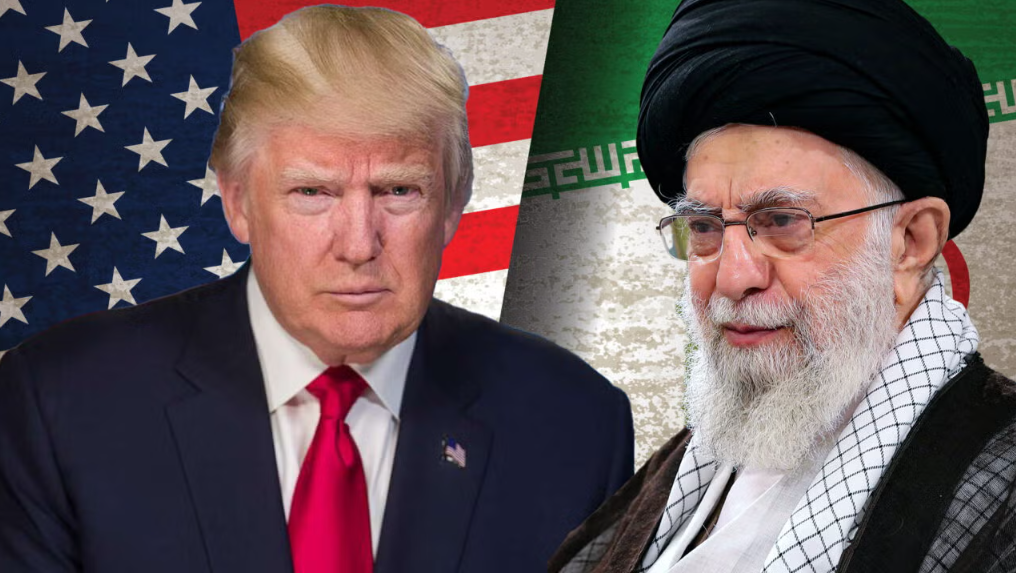
As tensions between the U.S. and Iran reach a boiling point in May 2026, the ripple effects are being felt at the pump, where gasoline prices surge to their highest levels in years, fueled by the escalating conflict in the Strait of Hormuz.
Since February 28, 2026, the United States and Israel have been engaged in active military conflict with Iran and its regional allies, marking a significant escalation in tensions between the two nations. The conflict began with airstrikes targeting Iranian military sites and proxy forces in Lebanon, Yemen, and Syria. The U.S. and Israel have stated that their objectives include curbing Iran’s nuclear program and limiting its regional influence, which they view as a threat to stability. Iran has responded with missile strikes and drone attacks on U.S. and Israeli targets, as well as increased support for proxy groups like Hezbollah in Lebanon and the Houthis in Yemen.
The conflict has had a major impact on the Strait of Hormuz, a critical global oil transit route. The U.S. deployed Navy destroyers to the region to secure shipping lanes, but recent reports indicate that the U.S. has paused its plan to guide ships through the strait as a measure to reduce immediate tensions. Despite this pause, the U.S. maintains a military presence in the area, reflecting ongoing concerns about regional security. The conflict has also resulted in civilian casualties and displacement across multiple countries, including Iran, Lebanon, and Yemen, raising humanitarian concerns.
Diplomatic efforts to resolve the conflict have gained momentum in recent weeks. Reports suggest that the U.S. and Iran are close to finalizing a one-page memo aimed at ending active hostilities. The proposed agreement reportedly includes a moratorium on Iran’s nuclear enrichment activities, terms for a ceasefire, and potential sanctions relief for Iran. However, Iranian officials have issued strong warnings, stating that there will be no compromise on key demands, such as the removal of sanctions and Iran’s regional influence. This stance underscores the challenges of reaching a durable agreement.
Several obstacles could hinder a lasting resolution. Mutual distrust between the U.S. and Iran remains high, fueled by past broken agreements, including the 2015 nuclear deal, which the U.S. withdrew from in 2018. Regional opposition, particularly from Israel, further complicates negotiations, as Israeli leadership has repeatedly stated it will not tolerate a nuclear-capable Iran. Additionally, both U.S. and Iranian leaders face internal political pressure from hardliners who oppose concessions, making compromise difficult.
The conflict has also had global and economic implications. Concerns over disruptions to oil supplies have caused fluctuations in global oil prices, impacting economies worldwide. International actors have taken varying positions: the EU has called for restraint, while China and Russia have expressed support for Iran through diplomatic and economic channels. Humanitarian organizations have warned of worsening conditions for civilians caught in the crossfire, including food shortages, infrastructure damage, and displacement.
Looking ahead, the proposed memo between the U.S. and Iran could lead to a ceasefire and a reduction in hostilities, but its success depends on acceptance by all parties involved and effective enforcement. The situation remains fluid, with further developments expected in the coming weeks. Whether this marks the beginning of a lasting peace or a temporary pause before further escalation remains uncertain.