

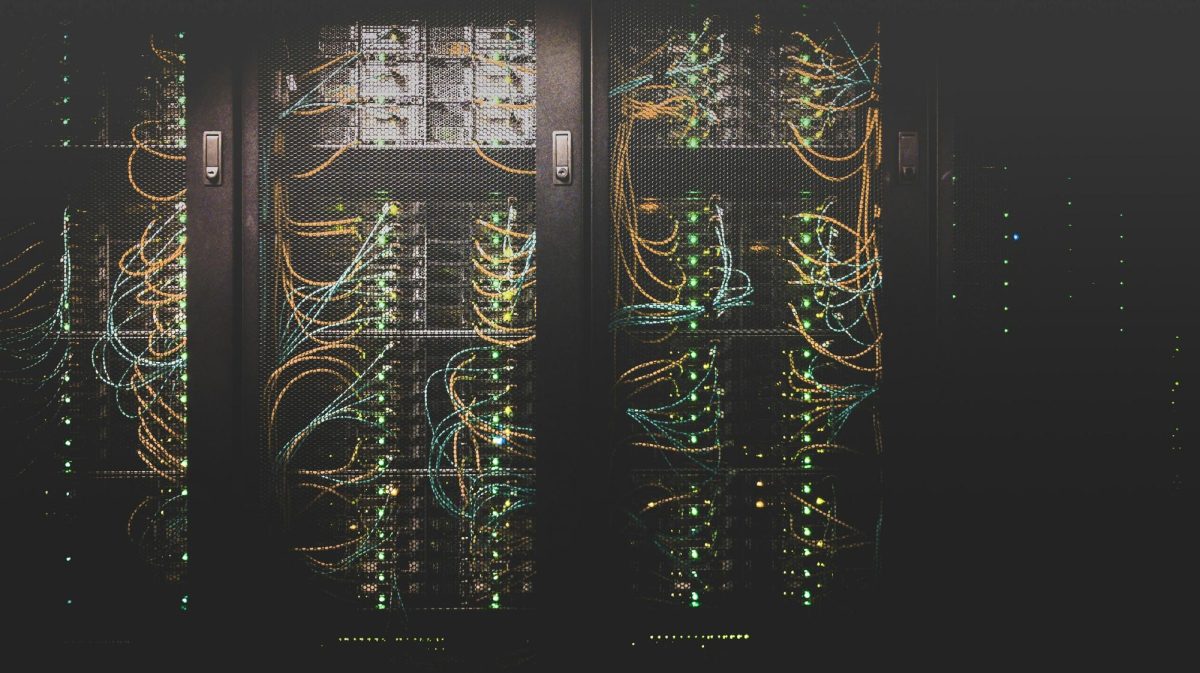
A global shortage of computer RAM is redefining the PC hardware market. Prices have surged, with 16GB of DDR5 memory now costing around $200, which is more than triple its former cost. A global RAM shortage induced by the booming demand for memory within AI data centers is the more often the cited culprit. In fact, Counterpoint Research reports that OpenAI has reportedly managed to buy up 40% of the global DRAM output. Micron, a leading computer memory manufacturer with 26% of market share in consumer DRAM, even announced that it is exiting the consumer RAM market in order to focus entirely on the more lucrative AI sector. And Samsung, another major player, has also made plans to shift production towards the more lucrative HBM (High Bandwidth Memory) chips employed in AI data centers rather than consumer-grade memory (most commonly DDR4/DDR5).
Naturally, the question arises: how is a single company able to singlehandedly purchase 40% of the world’s computer memory production? Let’s take a look at OpenAI, the company notably responsible for ChatGPT, DALL-E, and Sora, among other generative AI technologies.
It’s important to note that OpenAI loses money. Microsoft, which owns a 27% stake in OpenAI, has shown in recent filings OpenAI taking losses of over 10 billion dollars per quarter. While OpenAI’s total revenue isn’t public, its losses overshadow it, with analysis of OpenAI’s internal documents revealing a $14 billion dollar predicted loss in 2026 as well. Most analysts expect OpenAI to remain unprofitable for the foreseeable future. British bank HSBC predicts a $76.46 billion dollar loss in 2030, even with an expected revenue of $213.59 billion which is over 15 times their current estimated revenue.
Profitable or not, OpenAI is in a race against its rapidly draining venture capital funding to start making some money. Their multi-billion dollar valuation is derived from an expectation to be able to exponentially grow their revenues as their technologies and AI adoption improve. Some moves to raise revenue are more transparent, like OpenAI announcing the rollout of ads on ChatGPT. Others are more interesting like the creation of Sora, a social media app for AI-generated short-form video, and Sam Altman’s announcement to allow mature content.
Though they have no significant revenue yet, according to Sam Altman on X, OpenAI has made about 1.4 trillion dollars in commitments over the coming years to fund data center buildouts. The implication is that OpenAI will have enough future revenue (or additional investment) in order to cover them. The rising stock prices of many of these companies, as a result of these announcements, also seem predicated on the ability of OpenAI to pay its obligations.
The rush of speculative investment in the technology sector has led many to label what’s happening right now in the stock market as an AI bubble. To help us understand how much truth there is to that narrative and what the implications of a market bubble may be, we interviewed our AP Macroeconomics and US History teacher, Mr. Poe.
“Yes, but from what I have read from the experts I trust, there has been a bubble. The theory is that AI is going to significantly increase productivity, so the investments cause the stock to be way above its value. If AI can prove the theory to be true, then its value can meet the stock. However, a lot of people are throwing a lot of money, and looking at previous bubbles like the housing market bubble, there is a good possibility that the AI bubble will crash too.” Mr. Poe said.
Known as the dot-com boom, when the Internet was a new and emerging technology over 25 years ago, there was a similar rush to invest. By 2000, we saw the crash of the dot-com bubble.
According to CNBC, Shark Tank extraordinaire and Dallas Mavericks’ own Mark Cuban made his first billion dollars selling Broadcast.com to Yahoo for $5.7 billion in Yahoo stock in 1999. Their product was essentially broadcasting radio stations onto the Internet so you could listen in from anywhere. They streamed radio onto the Internet for $5.7 billion dollars. Broadcast.com was shut down in 2002.
Like the early Internet companies, generative AI technologies are so new that very few companies have figured out appropriate, and crucially monetizable, use cases for them. In the meantime, there appears to be no shortage of companies willing to invest in the future of productivity.
So, are we in an AI bubble?
It depends on how much longer companies are willing to keep lighting cash on fire. Perhaps a spark will catch, and someone will figure out how to extract money from this technology. Or perhaps it won’t, and the bubble deflates before that can happen.
“Market crashes are to be expected. When there is such a massive bubble, it’s very hard for the Fed to just change their rates and fix it. Massive government spending, just like the one in COVID, may be required to help people get back on their feet when this bubble pops. Hopefully, it can create a rebalancing of putting consumer spending back into the majority of Americans.” Mr. Poe said.