

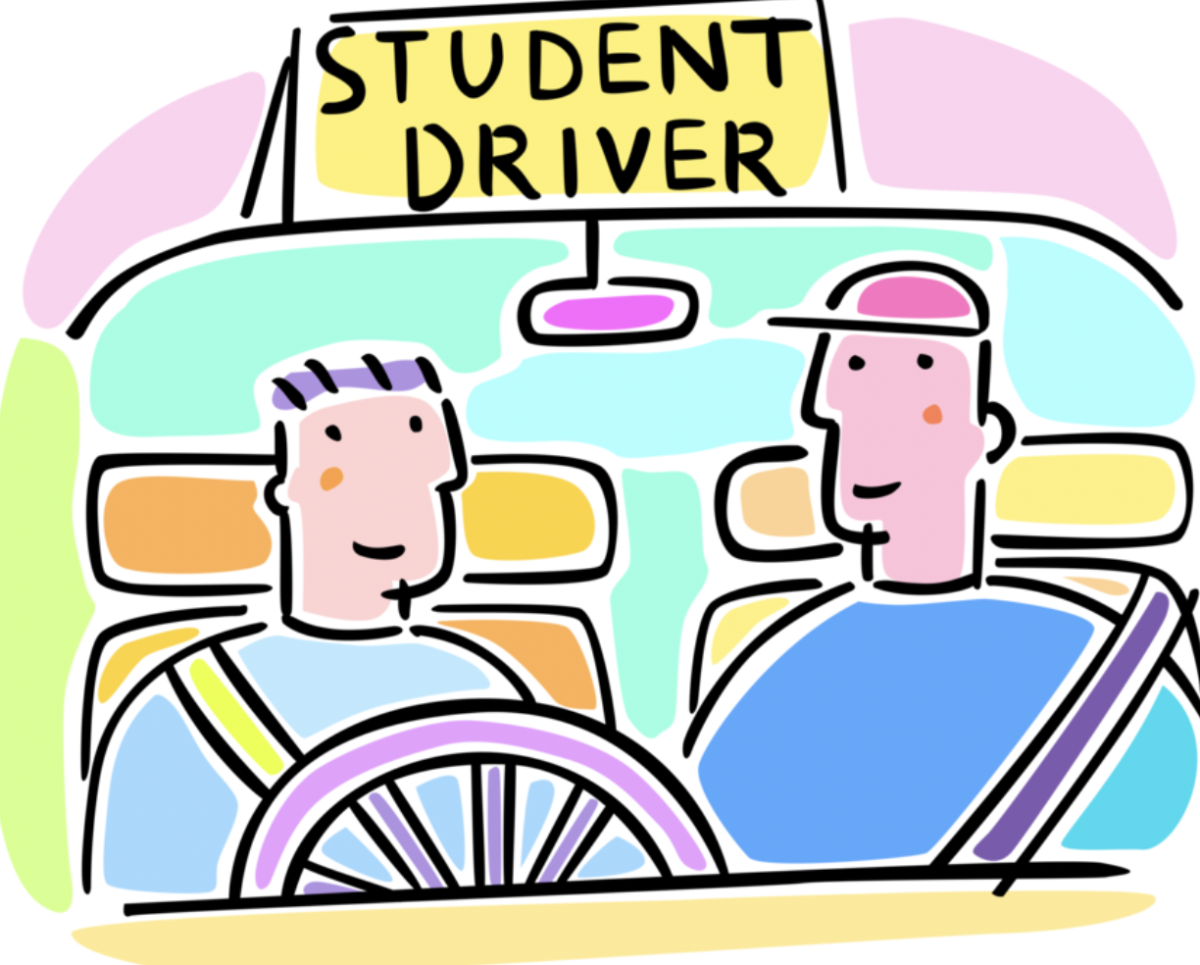
Driving, an activity people either love or hate. In a financially taxing world families have mixed feelings when their child turns driving age. Some parents are scared to give their student a car, and sometimes the student has more driver anxiety than the parent. As of recent, it seems student drivers might be less common. In fact, Gen Z’s perspective on driving can be considered different from past generations.
The Department of Transportation found across those aged 19 year and younger, only one in 25 individuals have their license. Similarly the department also saw a 25% decrease of 16 year olds with licenses from 1982 to 2022.
“Growing up in New York, as a kid I really got accustomed to walking,” senior Isabella Connor said. “So personally when I moved [to Texas] I did not hold as much weight into driving, and it kind of was an afterthought. I realized it was a really big culture [factor], and you kind of have to drive.”
Many high schoolers do not have difficult in finding rides, even if their parents are not driving them. Rideshare apps such as Uber and Lyft have received widespread popularity. Despite having launched over a decade ago, they only recently started demonstrating accessibility, increased usage, and affordability.
“There is a definite difference because some are very conscious and some think they’re playing mario cart.” [When my kids first started, my eldest] was very excited, very conscious, very good driver, now he might have a little more of a lead foot. [My youngest] seems to love being the passenger princess,” LT staff member Jennifer McBrayer said.
Many times, non-drivers rely heavily on their licensed friends. However, it is not unusual for young drivers to feel uncomfortable about driving around others.
“I personally do not feel comfortable driving a lot of my friends around, and this is something my parents are also against my doing,” senior Diya Kumar said. “The challenge is when it comes not only to keeping myself, but others safe.”
Texas law permits minors to only drive one person under the age of 21 who is not a family member. In general, it is important for both drivers and non-drivers to be aware of local transportation laws. After all, car crashes are one of teens’ leading causes of death; a tragedy that sometimes is caused by phone distractions.
“[Students] being off their phones [is important]. I know they are excited with their music, and communicating with their friends, but sometimes it’s ok to put your phone down,” said McBrayer.
Overall, many sources can agree on the fact that Gen Z’s approach to driving differs from past generations. People value transportation differently, especially if their hometown was easy to navigate by walking. Many parents worry about their children driving behind the wheel; in fact, sometimes families cannot necessarily afford multiple cars. In the end, driving is a deep responsibility that is more than simply a want.




![McNamee, WM. (2014) "White House Press Briefing" [Photo]. Getty Images](https://ltgoldquillnews.com/wp-content/uploads/2025/03/170110-white-house-podium-getty-1160-1200x651.jpg)