
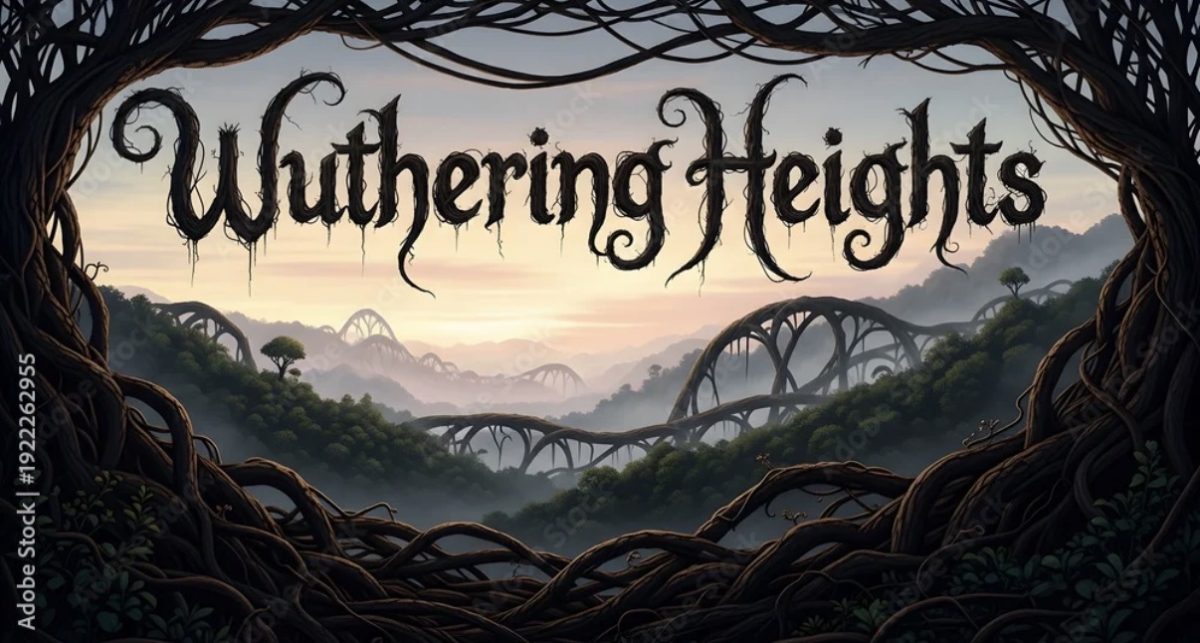
Most of what you’ve heard about the 2026 adaptation of Wuthering Heights is true. It plays out like a Wattpad fanfiction of the original novel and the direction is far too suggestive and lacking in subtlety.
Directed by Emerald Fennell, the director of Saltburn, and starring Margot Robbie as Catherine and Jacob Elordi as Heathcliff, this movie had a lot of promise. I loved the acting of both leads. They did such a good job with the scandalous romantic tension that was lacking from the original Brontë novel. The original novel follows the failed love of Catherine and Heathcliff (her poor adoptive brother). It follows the internal conflict of Catherine as she grapples with the choice between her wild, childhood love of Heathcliff and the noble, well-off Edgar. And as Catherine seems to make every wrong choice possible, we watch as Heathcliff’s revenge arc takes place, becoming wealthy in his own right whilst bringing those who wronged him to ruin. In this respect, this movie adaptation does a fantastic job. The raw emotional weight of Catherine’s dilemma is evident, and the newly added dialogue between Heathcliff and Catherine kept me thoroughly entertained throughout.
I love the lack of subtlety. Heathcliff goes from a (handsome) hairy, Jason Momoa lookalike in his lover boy era to a short-haired, nonchalant, upstanding British gentleman during his revenge arc. Even his accent changes a little! Every time Catherine regrets her choice of marriage, the orchestral sad theme starts up, and every time there’s anger, the scene is brightly lit with red, fiery light. When Catherine becomes obsessed with Edgar, Heathcliff makes it known he’s upset by picking her up and putting her in a tree where she can’t come down from.
However, Emily Brontë’s original work doesn’t merely end at the death of Catherine. Instead, we get to see how Catherine, Hindley, and Heathcliff’s children quash the abuse and revenge of their parents’ design and find a true sense of what love can be. Unfortunately, this is where the movie derails. The 2026 adaptation of Wuthering Heights is less an exploration of the themes of the original novel, and more of a fantasy over the failed couples from the novel. Important characters like Hindley and all of the children do not carry over into the movie. Rather the novel’s kind Mr. Earnshaw is portrayed in the movie as somehow both kind enough to adopt Heathcliff and smart enough to amass his fortune, while also being abusive enough to traumatize Heathcliff’s childhood and stupid enough to gamble away his wealth in old age. These are functions carried out by two different characters in the novel, Mr. Earnshaw & Hindley, that the movie decides to simplify to instead focus on the explicit details of the many romantic encounters.
The emotional connection that Catherine and Heathcliff still share after Catherine’s marriage is represented in the movie as a passionate affair with far too many scenes of Heathcliff being presented in a suggestive manner. The revenge marriage between Heathcliff and Isabella, after Catherine denies his affections, is abusive in the book. Heathcliff possesses a spell over a hapless Isabella and his torment leads to her early demise. In the movie, this is turned into a twisted dynamic between the two where Heathcliff hurts Isabella while forcing her to write letters to Catherine begging for her back.
This train wreck is best enjoyed with friends over popcorn, so we can all laugh together at the mounting failures of these characters. With most people I asked, there’s a lot of unwillingness to spend time, money, or effort to see trashy movies. And that’s a shame because I really enjoyed this one, not because it was any good, but it would’ve been a lot of fun to share the experience with friends.
While the movie may not be faithful to the original text, distorting the message of Bronte’s novel distorted through rose-tinted glasses, one may find that those very glasses elevate the movie to new heights beyond what the novel could ever achieve. Bring the courage and the whimsy to go see movies like Wuthering Heights (2026). They may lack any and all literary or academic merit, but perhaps the true merit of these movies is the friends we make along the way.